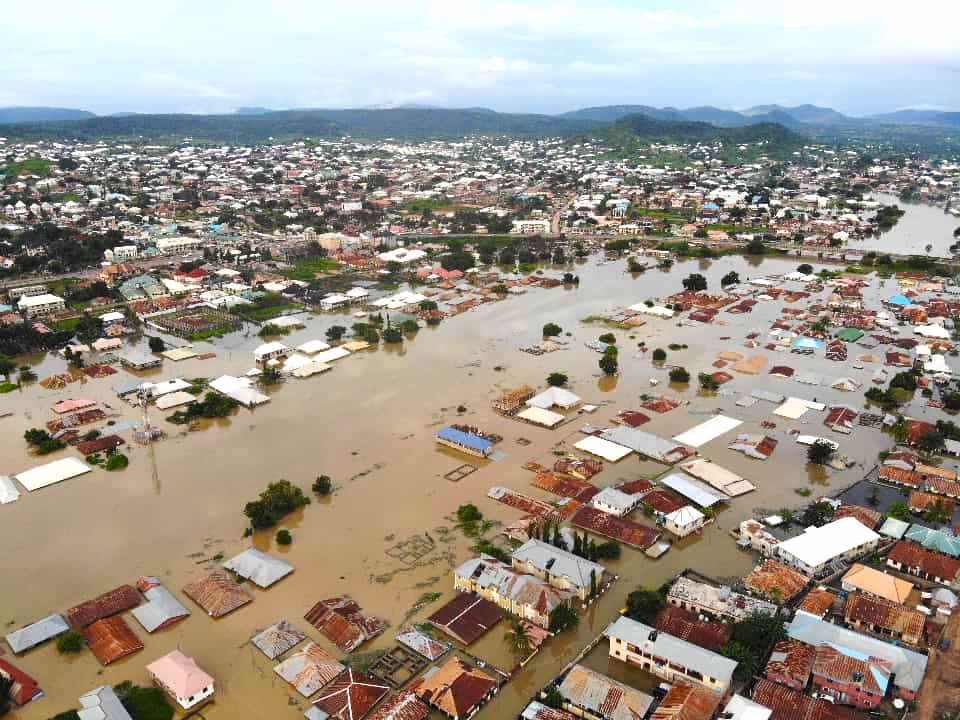

An investigation has revealed that Kwara, Ekiti, Benue and Kogi states received approximately ₦5.52 billion in ecological fund allocations between January and June 2026 but recorded no expenditure under their respective erosion and flood-control budget categories during the period.
The findings, published by THE POINT, raise questions about the implementation of flood-prevention measures as several communities across Nigeria continue to experience flooding, deaths, displacement and destruction of property.
A review of Federation Account Allocation Committee data and state budget performance reports showed that the four states received substantial ecological allocations without recording spending under the specific flood and erosion control categories examined.

Kogi State received approximately ₦1.505 billion, while Benue received ₦1.551 billion. Ekiti received about ₦1.234 billion, while Kwara received approximately ₦1.23 billion.
The combined allocations amounted to roughly ₦5.52 billion.
However, the investigation clarified that the figures relate specifically to recorded expenditure under the relevant flood and erosion control categories. They do not establish whether the states used other funding sources or deployed ecological funds to address other environmental challenges.
Flooding Continues to Claim Lives Across Nigeria
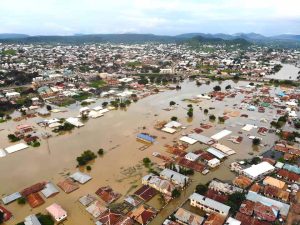
The findings come amid continuing concerns about the human and economic costs of flooding.

According to the National Emergency Management Agency’s flood dashboard, flooding incidents in 2025 affected 272,890 people, killed 280 people and displaced 108,117 others. The disaster also affected 37,958 homes and 45,562 farmlands.
In 2026, flooding has continued to cause casualties and property losses in several states.
In Anambra State, a pupil identified as Master Success Ezenwafor was swept away by flash flooding along the Isiagu axis of Awka-Nibo Road on September 22. The incident prompted the police command to warn parents and guardians against allowing children to cross flooded roads, bridges, drainage channels and waterways.
In Ebonyi State, flooding destroyed houses, farmlands and other property worth billions of naira in Ivo Local Government Area, leaving at least 134 families homeless.
Earlier flooding in Mpu and Okpanku communities in Enugu State’s Aninri Local Government Area killed two children from the same family and submerged at least 14 villages.
Enugu, Kaduna Record Limited Flood-Control Spending
The investigation also identified gaps between ecological fund receipts and recorded expenditure in other states.
Enugu State received approximately ₦1.39 billion in ecological funds during the six-month period. Its second-quarter budget implementation report showed that it spent ₦295.17 million on erosion and flood control, representing about 21 per cent of its ecological fund receipts.
Kaduna State received approximately ₦1.8 billion but recorded only ₦55 million in flood-control spending.
Niger State recorded comparatively higher expenditure, receiving approximately ₦1.6 billion in ecological funds and spending ₦994 million on flood control during the period.
Despite the expenditure, flooding was reported in communities including Mokwa and Ebbo in the Lapai area, where residents called for government intervention.
Anambra Budgeted ₦5bn but Spent ₦135m
The investigation also highlighted a gap between budgetary provisions and actual spending in Anambra State.
The state budgeted ₦5 billion for erosion and flood control in 2026 but spent only ₦135 million between January and June, according to official budget performance documents.
The expenditure represented approximately 2.7 per cent of the budgeted amount, leaving about ₦4.865 billion unspent at the end of June.
In Ebonyi State, the government budgeted just ₦1.2 million for erosion and flood control for the entire year, according to the budget information reviewed.
The figures have raised questions about the adequacy of budgetary commitments, the pace of project implementation and the effectiveness of public spending on environmental protection.
Agency Warns of Flood Risks
The Nigeria Hydrological Services Agency recently forecast a severe risk of riverine flooding in several states, including Imo, Cross River, Ebonyi, Benue, Anambra, Akwa Ibom, Lagos, Rivers, Edo, Kogi, Taraba, Delta, Bayelsa, Enugu and Abia.
Former acting Director-General of the National Emergency Management Agency, Air Vice Marshal Akugbe Iyamu (retd.), expressed concern that Nigeria’s access to flood data and early-warning information had not translated sufficiently into preparedness.
He questioned how ecological funds and other resources released for disaster preparedness had been utilised, arguing that available resources should be deployed to prevent disasters rather than respond after communities have suffered losses.
Anthony Adejuwon, chief executive officer of socio-accountability organisation Urban Alert, also urged state governments to prioritise ecological spending and ensure that budgetary allocations were released and utilised appropriately.
He warned that poor spending and a lack of accountability could leave families displaced, roads impassable and businesses submerged when flooding occurs.
Tinubu Urges Governors to Spend Increased Revenues Prudently
The findings come as President Bola Tinubu has urged state governments to manage their increased revenues prudently and prioritise projects that improve citizens’ living standards.
According to a statement issued by his Special Adviser on Information and Strategy, Bayo Onanuga, the President made the call following the release of the World Bank’s October 2026 Nigeria Development Update, titled Beyond the Federal Purse: How Higher Revenues Reshaped State Priorities.
Tinubu said the economic reforms introduced by his administration, including petrol subsidy removal, foreign exchange market harmonisation and fiscal discipline, had increased government revenues and created more room for public investment.
He urged state governments to direct additional resources towards essential services, particularly healthcare and education.
“I urge state governments to use their higher revenues more prudently and prioritise projects that improve the living standards of Nigerians, and the health and education of our people,” the President said.
The Presidency cited the World Bank report as showing that Nigeria’s economy grew by 4.2 per cent in the first half of 2026, compared with 3.9 per cent during the corresponding period of 2025.
The report also indicated that real federation revenue increased by 69 per cent between 2023 and 2025, with states emerging as the biggest beneficiaries.
According to the Presidency, state capital expenditure increased by 151 per cent in real terms during the period, with spending directed largely towards roads, agriculture, energy and housing.
Tinubu said his administration would continue pursuing measures intended to expand economic opportunities, improve access to healthcare and education, support vulnerable households and promote inclusive growth under the Renewed Hope Agenda.
Accountability Questions Remain
The ecological fund findings have renewed attention on the relationship between public revenue, budgetary commitments and actual spending on flood prevention.
With communities continuing to experience flooding, the figures raise questions about how state governments prioritise environmental protection, implement approved projects and account for resources allocated to ecological challenges.
For Kwara, Ekiti, Benue and Kogi, the key issue identified by the investigation is the absence of recorded spending under the specific flood and erosion control categories examined during the first half of 2026, despite combined ecological fund receipts of approximately ₦5.52 billion.
The records reviewed do not, by themselves, establish whether the funds were diverted, misappropriated or spent on other eligible ecological interventions.
Nevertheless, transparent reporting on fund utilisation and timely implementation of flood-prevention projects remain important as Nigeria faces continuing flood risks.