


Workers of the Kwara State Internal Revenue Service (KWIRS) have threatened industrial action over alleged poor welfare conditions, stagnant salaries and the rising cost of living, despite their contributions to the state’s revenue generation.
The workers, under the Kwara State chapter of the Association of Senior Civil Servants of Nigeria (ASCSN), said their sacrifices and professionalism had not been matched by corresponding improvements in their welfare.
In a circular issued by the union, the workers lamented that while their efforts had helped strengthen Kwara State’s revenue base and financial independence, many staff members continued to struggle to meet their basic needs.

“We block leakages. We are posted to hospitals and other MDAs to secure government revenue. We work under pressure day and night, but we continue to struggle to meet basic needs due to poor salaries,” the workers said.
According to the circular, signed by the chapter’s Secretary, Adam Ibrahim, many KWIRS employees now exhaust their monthly salaries before the end of the month due to loan deductions from financial technology platforms and other lending institutions.
The situation, the association said, had forced some workers to take additional loans to meet their daily expenses.
The union also expressed concern that personnel costs had remained unchanged for years, despite increases in other government expenditure categories.
It recalled a salary negotiation agreement dated October 11, 2022, which reportedly stated that the proposed adjustment would be implemented “as soon as it can be accommodated in the budget.”
However, the workers said nearly four years after the agreement, there had been no implementation or clear indication of when the adjustment would take effect.
They added that the rising costs of school fees, house rent, transportation and food had significantly worsened their financial situation, while their salaries remained unchanged.
“We smile outside, but the majority of us are bleeding inside. We cannot continue to generate wealth for the state while we wallow in abject poverty,” the workers declared.
KWIRS Workers Begin Countdown to Possible Industrial Action
Urging members to remain united in their demand for improved welfare, the association said better working conditions would require collective efforts to press for their rights.
The union called on its members to remain calm, vigilant and prayerful as a 14-day period that began on October 15, 2026, counted down.
However, the circular did not specify the action the workers intended to take at the end of the period.
Workers Fault Revenue House Spending Amid Welfare Concerns
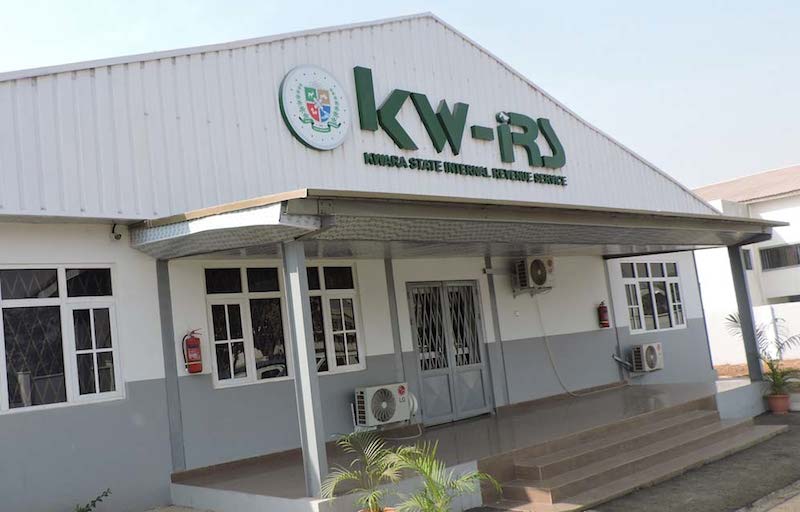
In separate chats with some KWIRS employees, the workers criticised the state government for allegedly spending billions of naira on the construction of the new Revenue House without adequately addressing staff welfare concerns.
They questioned the rationale behind investing heavily in office infrastructure while employees continued to face financial difficulties.
“What is the essence of a big and beautiful workplace inhabited by poor and suffering workers?” one of the employees asked.
The workers’ complaints have renewed concerns about the welfare of public servants in Kwara State, particularly amid the rising cost of living and calls for improved remuneration.
KWIRS Dispute Comes Amid Wider Labour Agitations in Kwara
The development comes amid growing labour concerns across several sectors under the administration of Governor AbdulRahman AbdulRazaq, with workers in the judiciary, health and education sectors also raising concerns over unresolved welfare demands.
Meanwhile, doctors employed by the Kwara State Government recently embarked on a 14-day warning strike over their demands, disrupting medical services at state-owned hospitals.
UPDATE: The doctors reportedly resumed work on Wednesday after the governor approved salary increases for some health workers following an emergency intervention.
The latest development involving KWIRS employees raises fresh questions about the state government’s handling of workers’ welfare demands and the possibility of further industrial disputes if outstanding issues remain unresolved.